


Blog
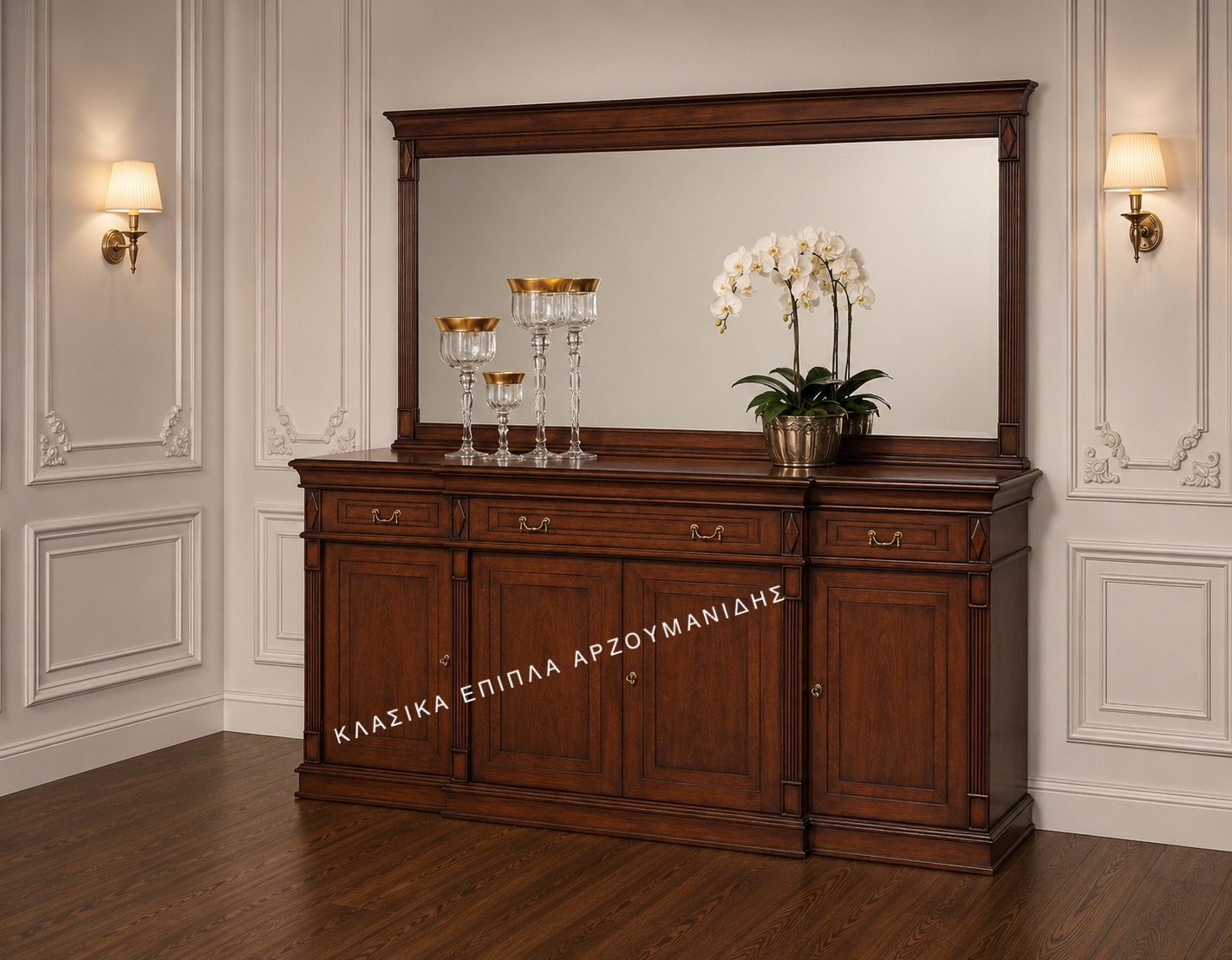
Classic Sideboards: Storage and Coordination with Dining Furniture
Classic Sideboards: Storage and Coordination with Dining Furniture
Classic sideboards organise storage near the dining area and complete the room’s appearance. Start your choice with the objects you want to store. Then compare the internal layout, external dimensions and the furniture’s relationship with the table and chairs.
Classic sideboards: what will you store?
List your main needs: dinner services, glasses, tablecloths, cutlery or occasional items. Separate what you need every day from what you use occasionally. This will show whether drawers, shelves or a combination of both will work best for you.
- Measure large plates and platters and compare the usable storage depth.
- Ask about the arrangement and dimensions of drawers.
- Ask whether the particular model’s shelves can be repositioned.
- Confirm the permitted load if you want to store heavy objects.
Also consider how you will use the top. If you need it for serving, keep enough free space and follow the instructions for protecting the finish. Avoid contact with hot or wet dishes without the protection recommended by the manufacturer.
Positioning with clear opening space and circulation
Measure the available wall and mark the proposed sideboard’s outline on the floor. Check the arrangement with the dining chairs pulled out. The furniture needs to leave a practical route to the table, entrance and other areas.
Then allow for doors and drawers to open. Also check sockets, switches and radiators. Before ordering, confirm the delivery route and access to the final position.
Sideboard or display cabinet? Choose according to use
If your main requirement is enclosed storage, compare sideboard layouts. If your priority is displaying ornaments or collections, also consider a display cabinet. The final choice depends on the particular design, as doors, shelves and surfaces vary by model.
In a larger dining room, you can combine both pieces if they serve different needs. First check that the arrangement leaves space to move comfortably and does not overcrowd the walls.
Finishes and details that harmonise with the table
Choose a shared element, such as the wood shade, patina or shape of the legs. A more restrained sideboard can balance dining furniture with pronounced carving. Equally, a striking sideboard can become the wall’s main decorative feature.
If you use the sideboard for serving, protect the wooden finish from glasses and liquids with suitable pads or coasters. The Canadian Conservation Institute’s guidance on caring for wooden furniture recommends protection from water and care when choosing polishes. Request the instructions appropriate to your own model’s finish.
View classic sideboards together with classic dining furniture and classic display cabinets. Finally, confirm the particular model’s materials, dimensions, care requirements and available changes before finalising the combination.
To compare options or discuss your room, contact Arzoumanidis Classic Furniture. Ask about the particular model, available changes and the terms of the order.