Blog
How to Choose a Classic Desk: Dimensions, Ergonomics and Style
Classic Desks: Timeless Elegance for Your Workspace
A classic desk for the real needs of your work
To choose a classic desk, begin with how you work: a laptop, monitor, documents or frequent meetings require different amounts of surface space and organisation. Measure the available room, including the chair’s position when pulled back. Check that doors, drawers and passageways work without obstruction.
- Worktop: allow for the monitor, keyboard and documents so that you do not have to keep moving things.
- Cables: note the positions of sockets and ask which cable-management solutions the model supports.
- Seating: try the desk with the chair, checking legroom and whether the arms fit beneath the top.
A neoclassical aesthetic can be combined with a clear work surface and discreet lighting. Keep decorative objects to a minimum so that the furniture’s carving and proportions stand out. Explore classic desks and compare them with classic office chairs. Ask for dimensions, materials and finish options for the particular design.
A workspace is more than functional: it is the centre of thought, creation and decision-making. At Arzoumanidis Classic Furniture, we present a selected collection of classic desks that embody luxury, fine construction and timeless aesthetics. They pair ideally with classic chairs, enhancing your professional setting.
The style of classic desks: distinctive luxury
Our collection includes:
-
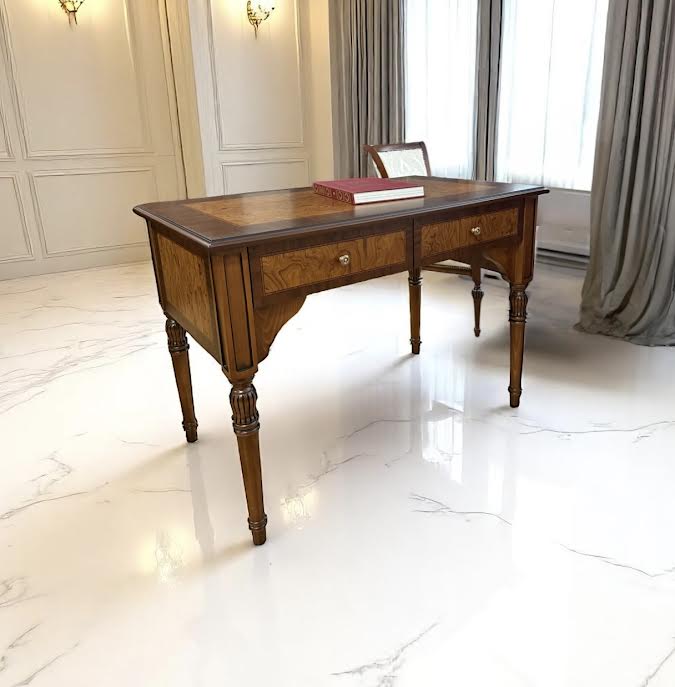
The classic N4 desk with elaborate carved wooden decoration
-
The classic N2 desk in authentic solid beech wood
-
The classic N9 desk with bronze details and an aged finish
-
The classic N1 desk inspired by French elegance
Each of our classic desks captures the refinement of earlier centuries while retaining its practicality.
Materials used in classic desks
Before choosing a classic desk, ask for details of the particular model’s materials. When comparing your options, check:
-
The frame and worktop material
-
Hand-applied gold leaf or patina
-
The type of finish and its care instructions
The durability of our furniture ensures that a classic desk from Arzoumanidis is both a piece of furniture and an heirloom.
Handmade detail in classic desks
The artistic care is visible in the details:
-
Carving produced using traditional techniques
-
Patina in natural tones for an elegant appearance
-
Brass handles with a retro aesthetic
The result is a classic desk full of character and elegance.
Pairing desks with classic chairs
Ergonomics and elegance find a balance when a classic desk is paired with our classic chairs.
Examples include:
-
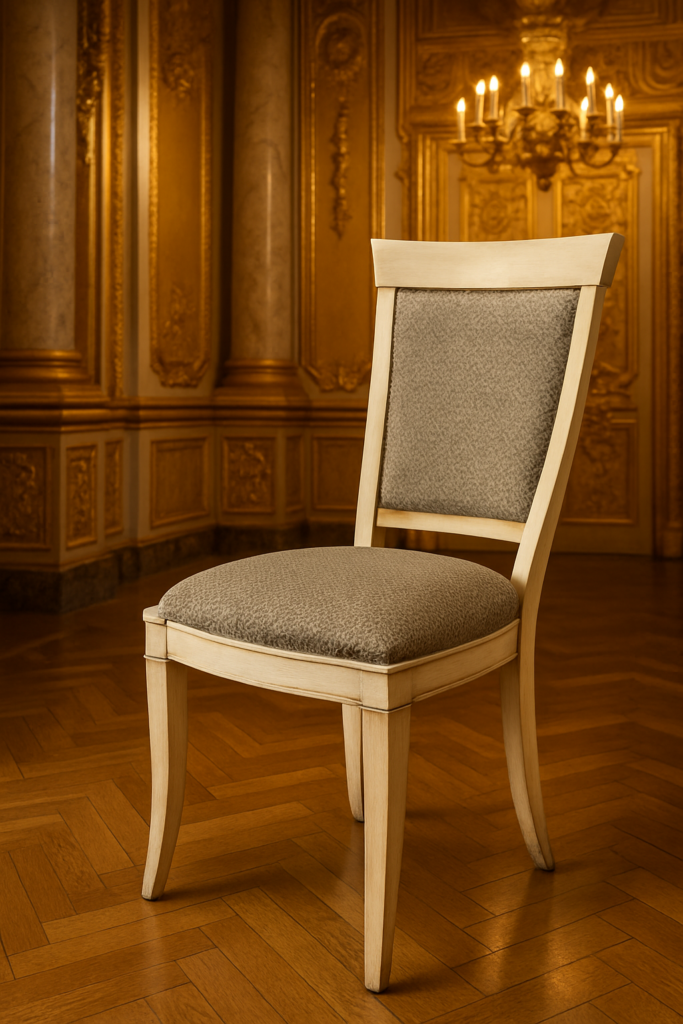
18 R classic office chair
-
19 R classic office chair
-
21 R classic office chair
Try the chair together with the desk and confirm the available upholstery. Comfort depends on the particular seat and how well it suits its user.
Use in professional and domestic settings
Our classic desks are often chosen for:
-
Law firms
-
Executive offices
-
Home libraries
-
Workspaces in luxury homes
The distinction they convey is ideal for any professional who wants to stand out.
Classic desks made to order
For the classic desk that interests you, ask which changes are available to order. Explore options concerning:
-
Dimensions
-
Patina colour
-
Decoration and type of gold, genuine or imitation
-
Storage, including drawers and cupboards
Classic desks: test the worktop before choosing
Carry out a simple trial using the objects you already work with. Spread your computer, keyboard, an open notebook and files across a surface. Note how much room they occupy while you work, not just when they are tidied away. Then compare this arrangement with the usable width and depth of the desk you are considering.
If you often write by hand, keep a separate area for notes. If you attend video calls, try the camera position and the background visible behind you. For meetings with visitors, check where their documents will go. This connects your choice to specific tasks rather than a general impression of size.
Storage that follows the way you work
Divide what you need into everyday tools, active files and archives. The first group should be close to your seat. Less frequently used items can be organised elsewhere in the room. This distinction will show whether desk drawers or a combination with a bookcase will serve you better.
Measure a file or case you use and compare its dimensions with the drawer interior. Also check where the charger and small accessories will go when you close your computer. Storage should remain accessible without constantly moving the chair or clearing the entire worktop.
Comparing positions within the room
Consider two different layouts before deciding. With the desk near a wall, examine access to sockets and the monitor position. With the desk in the centre, check the cable route and whether the back of the particular model is intended to remain visible. Request photographs from every side.
Next, sit at your chosen position and look towards the door, window and other furniture. Check whether an opening or passage needs to remain clear. A photograph of the room and a simple drawing of the measurements will help you discuss the layout before choosing a model.
Use the same criteria for every comparison
For each option, record the external dimensions, clear legroom, internal storage and selected finish. Add the seating requirements and the objects you want to keep permanently on the desk. This allows you to compare two desks using the same information, even if their photographs were taken from different angles.
Before finalising the order, confirm which changes apply to your exact chosen design. Discuss the delivery route, installation position and surface care instructions. Recording these details completes the selection process and clarifies how you will use your new desk from the first day.
Experience, artistry and Greek tradition
Arzoumanidis Classic Furniture draws on the family knowledge of three generations of furniture makers. Our philosophy centres on craftsmanship rather than mass production. Every classic desk is the result of passion and precision. For those interested in the historical development of office furniture, see Wikipedia’s article:
📎 https://en.wikipedia.org/wiki/Desk